Hand-Tied Techniques
Discover the foundational methods behind beautiful bouquets at zipharonsquozrel.
The Art of Hand-Tied Bouquets
Hand-tied arrangements are a timeless expression of floral artistry, combining skill and creativity.
The hand-tied technique is one of the most versatile methods in floristry. By holding stems in your hand as you build the arrangement, you maintain complete control over shape, balance, and proportion.
This approach creates bouquets that are not only visually stunning but also practical. A properly constructed hand-tied bouquet can stand upright on its own when placed in a vase, thanks to the spiral stem structure.
At Zipharonsquozrel, we guide you through mastering this skill so you can confidently create arrangements for any occasion.
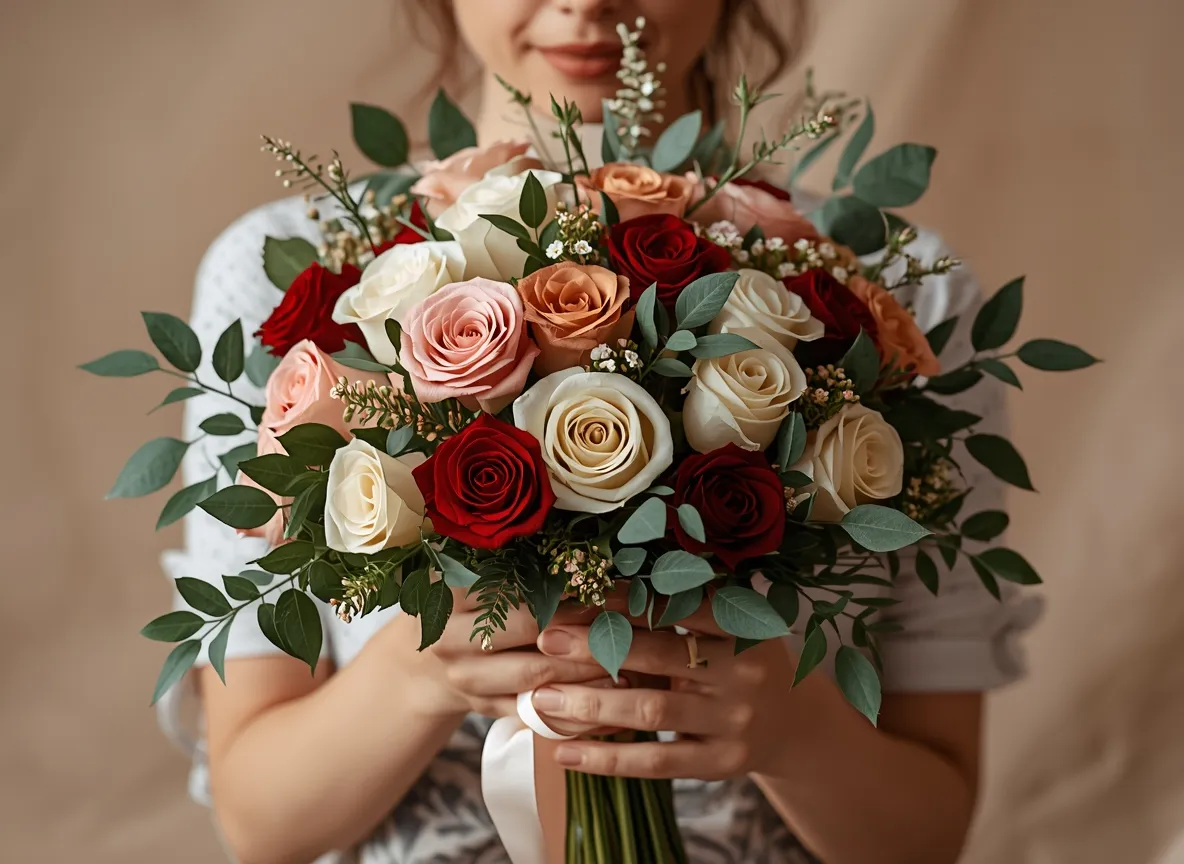
The Spiral Technique Explained
The spiral method is the cornerstone of hand-tied floristry. Here is how it works.
Select Your Focal Flower
Begin with a strong central bloom that will anchor the entire arrangement and set the tone.
Add Stems at an Angle
Place each subsequent stem at a diagonal, always turning in the same direction to form a spiral.
Build Outward Gradually
Continue adding flowers and foliage, keeping a consistent angle and rotating as you go.
Secure the Binding Point
Once satisfied, tie firmly at the binding point with twine or tape to hold everything in place.
Different Bouquet Shapes
The hand-tied method can be adapted to create a variety of elegant shapes and silhouettes.
Round Posy
A compact, dome-shaped design perfect for bridesmaids or casual gifting.
Cascading Style
Flowing and romantic, with trailing elements that drape gracefully downward.
Horizontal Spread
A wider arrangement ideal for table centrepieces or dramatic presentations.
Natural Garden Style
Loose and organic, mimicking the look of freshly gathered garden flowers.
Key Design Principles
Understanding these fundamentals will elevate your arrangements from good to exceptional.
Colour Harmony
Select blooms that complement each other, whether through analogous tones or bold contrasts.
Texture Variety
Mix soft petals with spiky accents and lush foliage for visual interest and depth.
Visual Balance
Distribute weight and colour evenly to create a harmonious, pleasing composition.
Common Mistakes to Avoid
Learn from these typical pitfalls to speed up your progress and build confidence.
Gripping Too Tightly
Hold stems firmly but gently. A crushing grip damages delicate stems and limits movement.
Inconsistent Spiral Direction
Always add stems in the same rotational direction to keep the spiral clean and even.
Uneven Stem Lengths
Check proportions as you build. Stems that are too long or short disrupt balance.
Overcrowding the Centre
Leave breathing room between stems. Crowding causes flowers to wilt faster.
Developing Your Skills
Regular practice is the key to mastering any craft, and floristry is no exception.
Repeat the Basics
Build muscle memory by practising the spiral technique with inexpensive greenery at home.
Study Arrangements
Observe professional work and note how colour, texture, and form come together.
Experiment Freely
Try unusual combinations and unconventional materials to find your unique style.
Seek Feedback
Share your work and learn from constructive critique to accelerate improvement.
Ready to Learn Hands-On?
Join a workshop at Zipharonsquozrel and experience guided instruction in a supportive environment.
Book a Workshop